
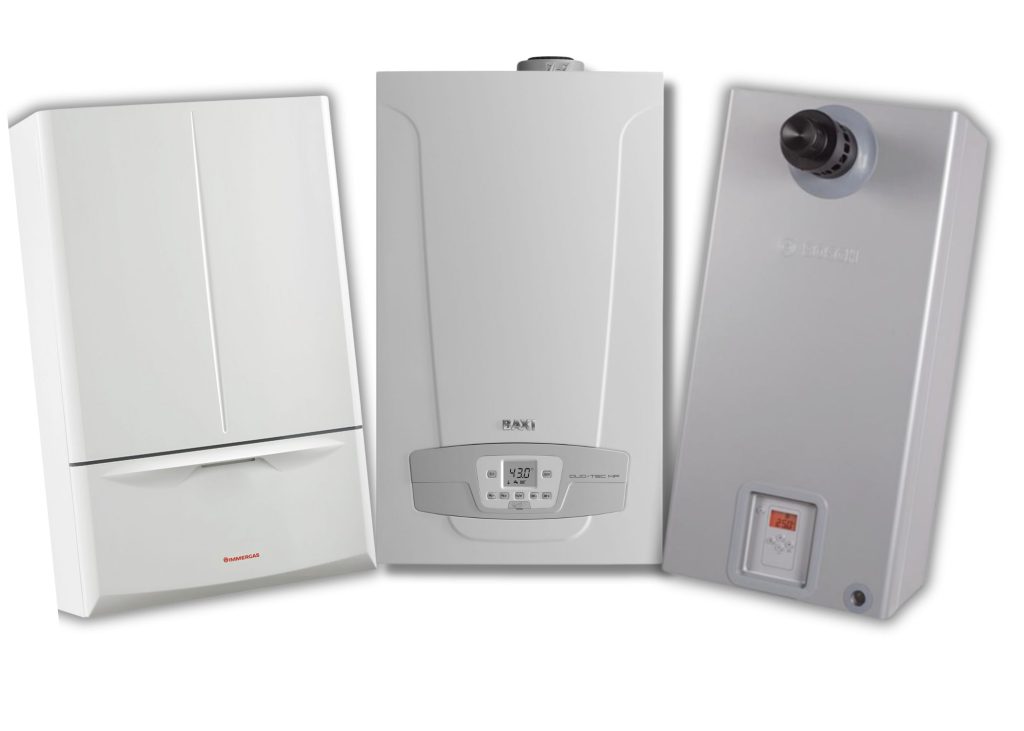
Choosing the right boiler for your home can make all the difference in comfort, cost, and energy efficiency, especially when it comes to hydronic heating systems.
While both gas and electric boilers are commonly used across Australia, the best option for your space will depend on your location, access to utilities, long-term energy goals, and installation preferences.
In this guide, we break down gas vs electric boilers: how each type of boiler works, the pros and cons of each, and how they pair with hydronic heating systems.
What Is a Gas Boiler?
Gas boilers use natural gas or LPG as a fuel source to heat water, which is then circulated through radiators, underfloor pipes, or towel rails. This makes them an ideal partner for hydronic heating systems.
There are several types of gas boilers, with the most common being:
- Combi (Combination) Boilers: These provide hot water on demand and don’t require a separate hot water cylinder.
- System Boilers: Work with a cylinder for storing hot water and are suitable for homes with higher hot water demands.
- Conventional Boilers: Often found in older homes, these work with both a cylinder and a cold water tank.
Gas boiler benefits include high heat output, fast recovery times, and lower running costs compared to electric alternatives.
What Is an Electric Boiler?
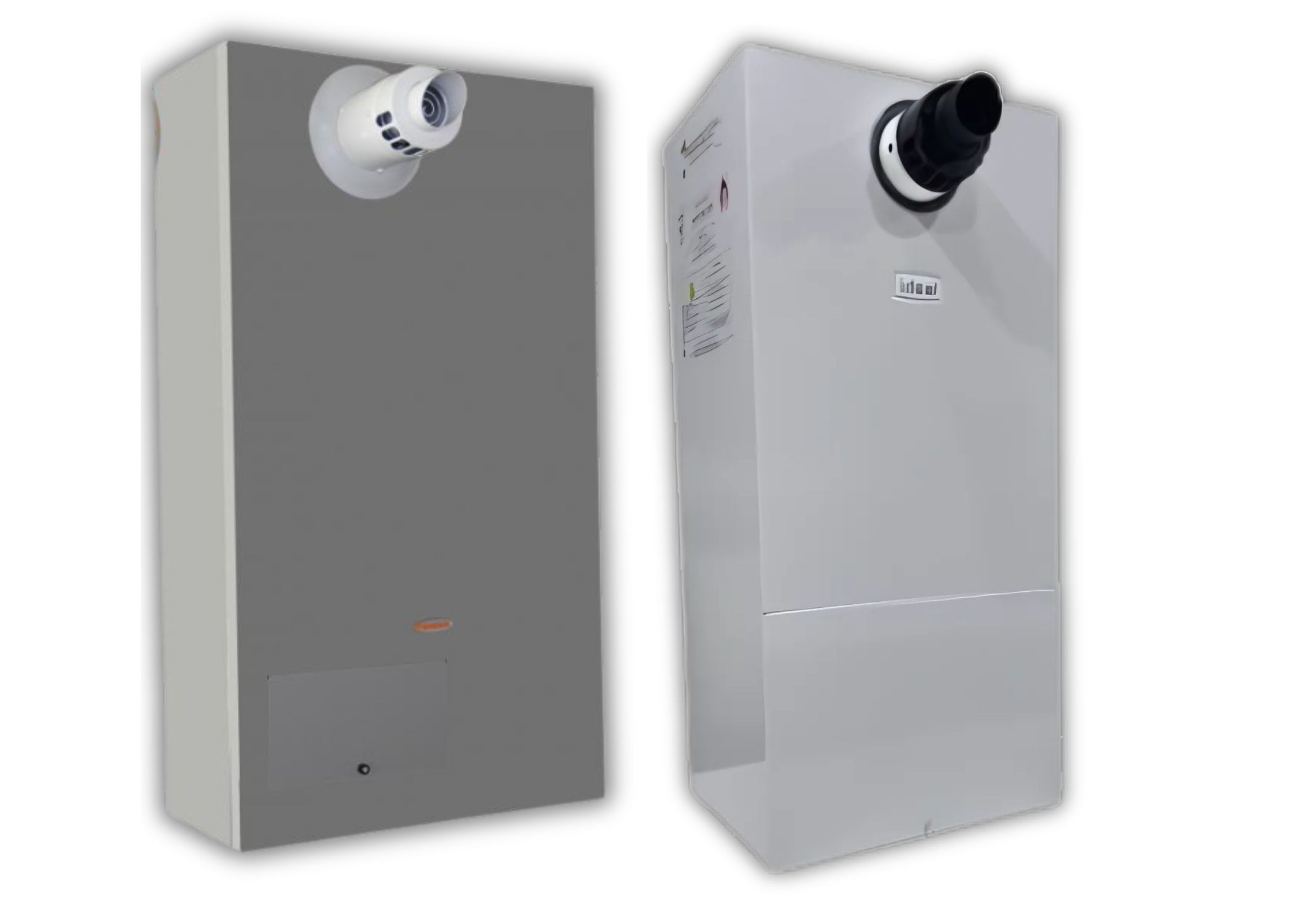
Electric boilers use electricity to heat water through a heating element, functioning in much the same way as a kettle. Similar to the gas boilers, they power hydronic system by circulating the heated water through radiators or underfloor systems.
There are a few different types of electric boilers as well:
- Direct Electric Boilers: Heat water on demand, similar to combi gas models.
- Storage Electric Boilers: Include a hot water tank for homes with greater demand.
- Electric Flow Boilers: Provide heat for central heating systems only.
Electric boiler benefits include their compact size, zero emissions at the point of use, and compatibility with solar panels and battery systems.
Gas vs Electric Boilers: Key Differences
Looking closer at a boiler comparison of gas vs electric boilers, it’s not just about the upfront cost. Some considerations include:
Running Costs
One of the primary advantages of gas boilers is that they tend to be cheaper per unit in most parts of Australia. This makes gas boilers more cost-effective to operate, especially in colder regions or larger homes. When it comes to electric boilers, this can be balanced out by pairing an electric boiler with solar panels and battery storage, significantly reduce electricity expenses over the long term.
Installation & Maintenance
Electric boilers are generally easier and cheaper to install. They don’t require flues or gas lines and have fewer moving parts, which means less maintenance. Gas boilers, while often more complex to install, benefit from long-standing infrastructure and the wide availability of service technicians.
Energy Efficiency
Both systems are highly efficient in their own right, but electric boilers can be considered more efficient as no energy is lost through exhaust gases. However, they draw more power, which makes your electricity source crucial and where solar or other renewables can be valuable.
Environmental Impact
Gas is a fossil fuel, so although modern gas boilers are more efficient than ever, they still emit greenhouse gases. With Australia (especially Victoria) actively phasing out gas connections in new homes, future-proofing your heating system may point towards electricity.
Electric boilers powered by renewables offer a cleaner, greener option- especially as more homeowners take advantage of government solar rebates and loans.
Size and Space
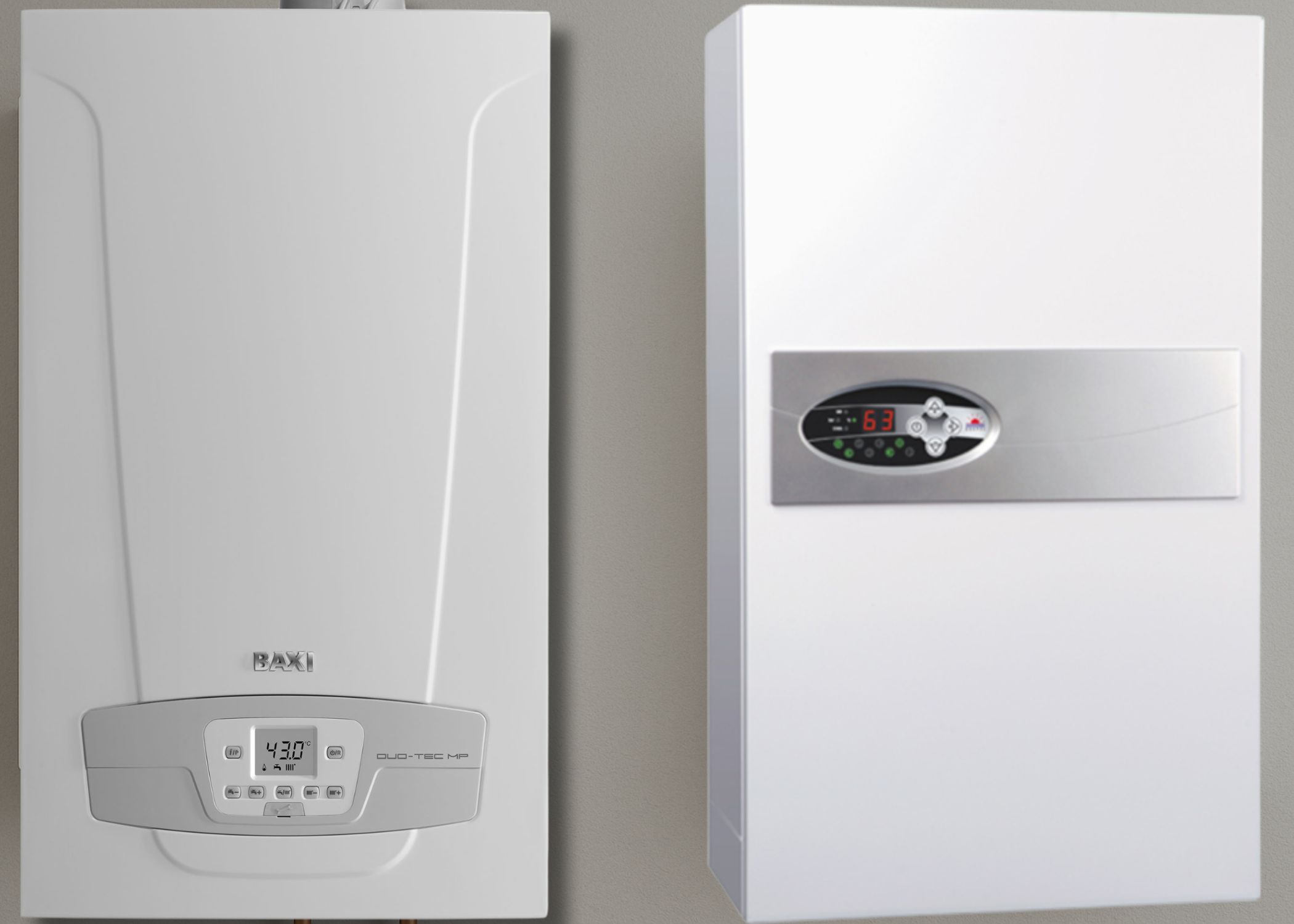
Electric boilers are compact and wall-mountable, making them ideal for smaller homes or apartments. Gas boilers are generally bulkier and may require additional ventilation or space for tanks and pipework.
Gas vs Electric Boilers for Hydronic Heating
The good news? Both gas and electric boilers work exceptionally well when it comes to powering your hydronic heating systems. Whether you’re installing underfloor heating, radiator panels, or towel rails, either option can be integrated into a hydronic heating boiler setup.
The key is selecting a boiler that suits your home’s size, insulation levels, and hot water demand. Hydronic systems are flexible, and choosing between gas and electric doesn’t mean compromising on comfort – just ensure the boiler you choose aligns with your energy preferences and long-term goals.
Which Boiler Is Right for You?
Choosing the right boiler for your hydronic system depends on your priorities – whether that’s lower heating costs, long-term sustainability, or adapting to future energy changes.
Gas boilers are still cost-effective where mains gas is available, but electric models are gaining appeal thanks to solar incentives and policy shifts. Both work seamlessly with hydronic systems, so comfort isn’t compromised.
Explore our full boiler range or contact one our team of experts to find the right fit for your home.