
When it comes to heating your home, there’s no one-size-fits-all solution. The right system will depend on your home’s size, layout, energy setup, and even your personal preferences.
For many homeowners across Australia, electric heating is a popular option, especially in spaces where simplicity, flexibility, or renewable energy compatibility is a priority. From plug-in wall radiators to systems powered by a heat pump, the versatility of electric heating continues to grow.
If you’re in the early stages of figuring out your options, our guide to selecting a heat source is a great place to start. For now, we’ll take a closer look at how electric heating works.
The Key Components of an Electric Heating System
To understand how electric heating works, it’s helpful to look at the system’s basic components. At the heart of any setup is the heating source itself. In simpler systems, this might be an electric radiator that plugs directly into the wall. More comprehensive installations can include heat pumps or electric boilers, which distribute heat to underfloor systems or wall panels.
Thermostats and smart controls play a key role in regulating temperature and improving energy efficiency. These allow you to set heating schedules, adjust temperatures in different rooms, and ensure you’re only using power when it’s needed.
Together, these elements form an electric heating system that’s customisable to suit your lifestyle and energy use.
Types of Electric Heating Systems for Homes
There are several types of electric heating systems available, each offering something different in terms of installation, comfort, and efficiency.
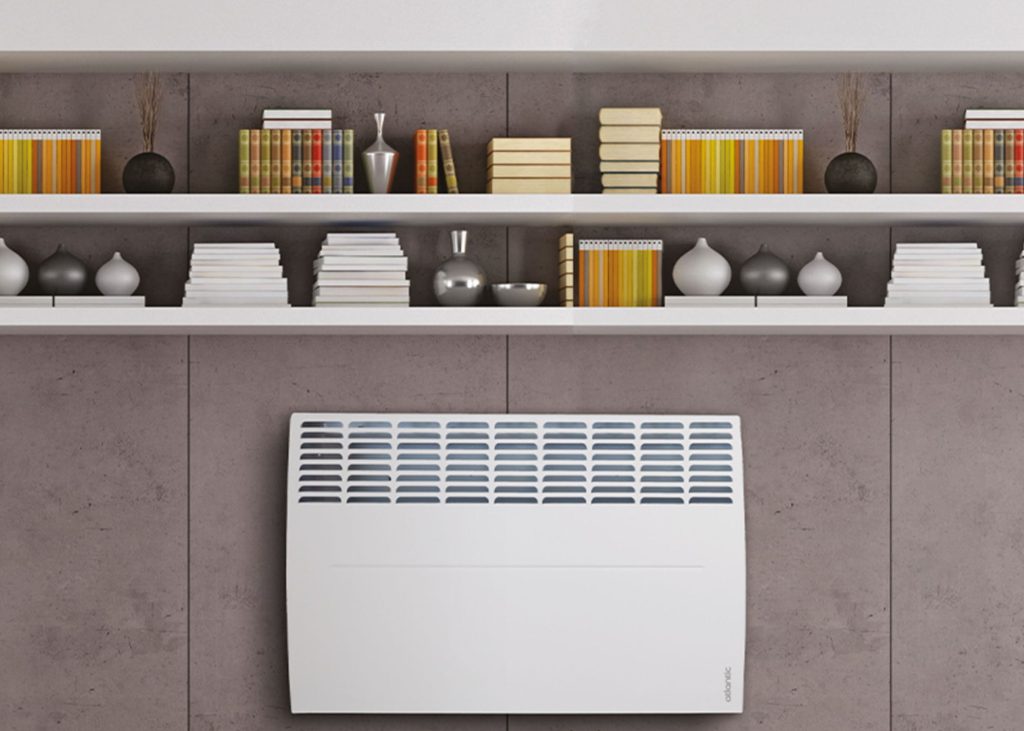
One of the most popular options is the wall-mounted electric radiator, which is easy to install and ideal for individual rooms. Hunt Heating’s range includes sleek, modern designs that simply plug in and begin working right away – like the RadiWarm Hydronic Electric Radiator.
Another option is underfloor heating powered by an electric boiler or heat pump. Heat Pumps are a great energy efficient option whether you have solar panels and batteries or not. Electric boilers are becoming increasingly popular, but compared to gas boilers – can cost a little more to run if you don’t have solar for example. Some households may also use storage heaters, which heat up during off-peak hours and release warmth slowly throughout the day, although these are less common now with the rise of more efficient technologies.
To explore available options, check out Hunt Heating’s full range of electric heating products.

How Electric Heating Systems Are Controlled
One of the key advantages of modern electric heating systems is the level of control they offer. From timers on wall heaters, to fully integrated smart thermostats, the tech has come a long way.
Smart controls let homeowners program heating schedules, monitor energy use, and even adjust temperatures remotely via phone apps. This means you can heat your home exactly when and where you need it, without wasting energy in rooms you’re not using. These systems not only add convenience but also play a big part in managing power bills.
Advantages of Electric Heating
There are several reasons why electric heating might be a smart choice for your home. First, systems like wall-mounted electric radiators are incredibly easy to install – no pipes, no major renovations. Just plug them in, and they’re ready to go.
Electric heating is also compatible with renewable energy sources. If you have solar panels installed, for example, your heating system can run off the energy your home generates, making it far more sustainable.
Instant heat is another benefit. Unlike systems that take time to warm up, many electric units deliver warmth within minutes. And with space-saving designs available, they’re ideal for compact homes, apartments, or individual rooms.
Disadvantages of Electric Heating
That said, there are some limitations to be aware of.
One of the main drawbacks is efficiency in larger homes. Using multiple wall-mounted electric radiators to heat an entire house can be costly if you’re relying on the grid.
To make electric heating more sustainable and efficient in bigger homes, on option is to pair it with the right energy setup – like solar panels with battery storage. Otherwise, you may look at more of a traditional hydronic heating system powered by a heat pump as opposed to individual wall-mounted electric radiators for a whole home solution.
You can learn more about making the right choice for your household in our blog on the best heating and cooling systems.

Final Thoughts on How Electric Heating Works
Electric heating continues to be a reliable and flexible option for many Australian households. Whether you’re upgrading a single room or building an entirely new system from scratch, the right electric heating setup can deliver comfort, convenience, and energy-conscious performance – especially when paired with renewable power.
At Hunt Heating, we offer a range of electric heating solutions to suit every type of home. From wall-mounted radiators to underfloor systems powered by heat pumps, our products are designed to help you stay warm while keeping energy use in check.
To explore what might work for your space, browse our electric heating range or get in touch with the team at Hunt Heating for expert advice.