
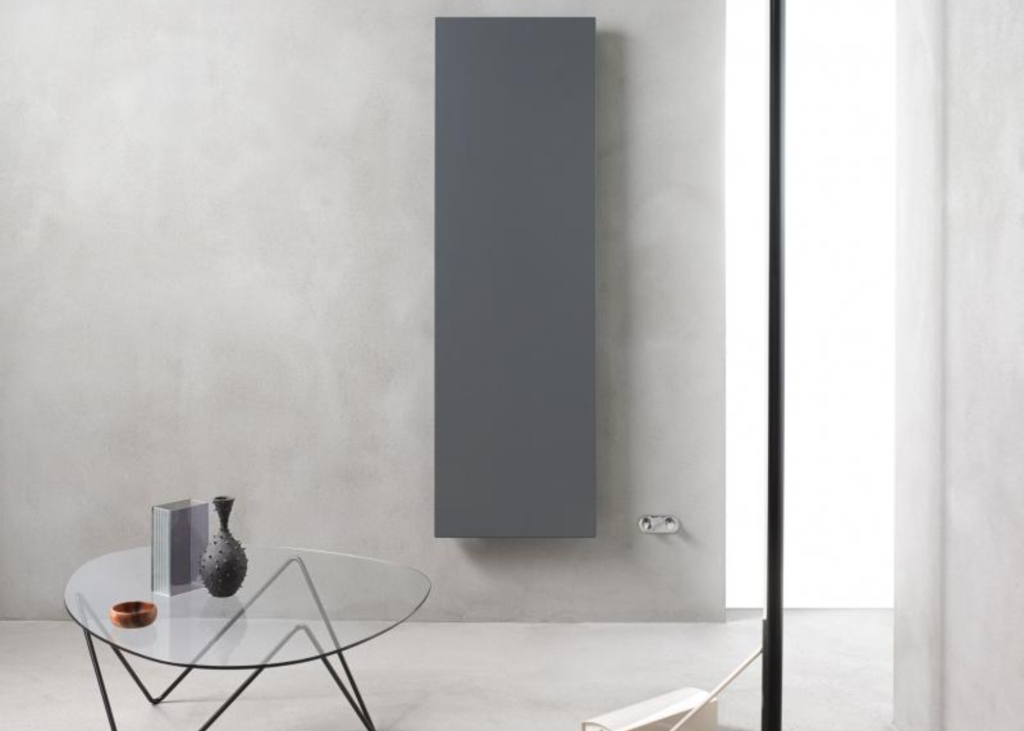
As energy prices continue to rise and homeowners look for ways to reduce their environmental impact, the search for efficient, sustainable heating solutions has never been more important. Hydronic heating has emerged as one of Australia’s leading energy-efficient options that offers superior comfort, impressive running-cost savings and exceptional versatility for modern homes and reconstructions.
So just how energy-efficient is hydronic heating? As experts in hydronic technology, we provide innovative, European-inspired systems designed specifically for Australian households.
In this article, we’ll take you through everything you need to know about the efficiency of hydronic heating, its other benefits and why it might be the perfect option for you.
How Does Hydronic Heating Work?
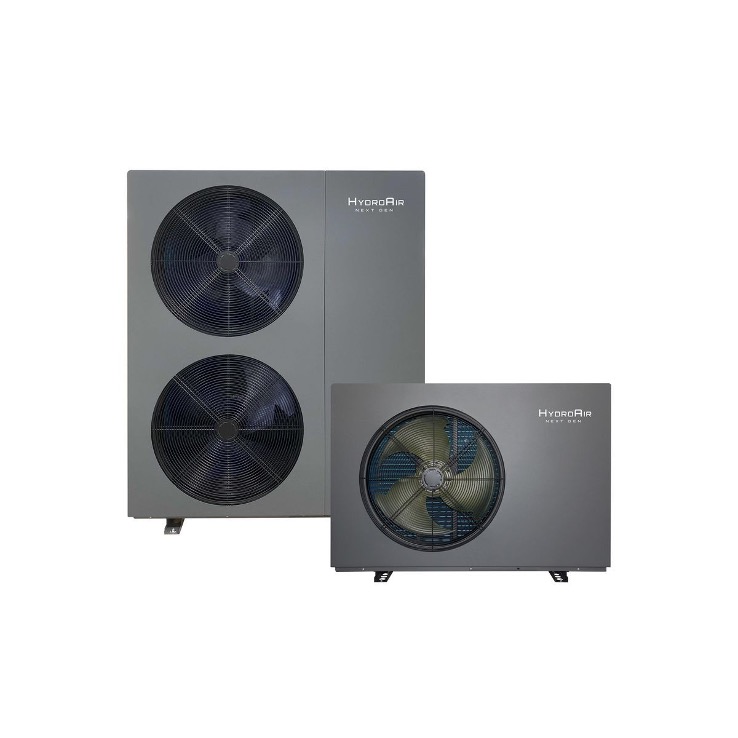
At their core, domestic hydronic heating systems use water, not air, to deliver heat throughout a home. Water is heated by a boiler, or an electric hydronic heating heat pump and circulated through a closed pipe network connected to radiators, towel rails or underfloor coils.
Because water retains and transfers heat far more effectively than air, hydronic systems deliver steady, gentle, highly efficient warmth.
How Efficient Is Hydronic Heating?
Hydronic heating is known to be one of the most efficient heating systems available. Here’s why this system outperforms traditional heating methods and why it could be perfect for your heating needs and environmental goals.
#1. Superior Heat Transfer
Water conducts heat way more efficiently than air. This allows hydronic systems to operate at lower temperatures while delivering the same (or greater) levels of comfort compared to traditional heating.
#2. Thermal Radiation = Less Heat Loss
Unlike forced-air systems that blow warm air around a room, hydronic heating relies primarily on thermal radiation. Radiant heat warms objects and surfaces directly, reducing heat loss through air gaps, draughts and ducting.
#3. Even, Consistent Heat
Of course, consistent heat makes things more comfortable, but it also makes hydronic heating more energy efficient. With a hydronic heating system, there are no hot and cold spots. Rooms stay comfortable for longer, meaning the system doesn’t have to work as hard (and use more energy) to maintain set temperatures.
#4. Low Water Temperatures
Hydronic systems can run efficiently at low water temperatures, especially when paired with condensing boilers or heat pumps. This reduces overall energy consumption substantially.
#5. Designed for Zoning
Hydronic heating excels at zone control, allowing homeowners to heat only the rooms they use. Less energy is therefore wasted, which means energy bills are significantly lower.
Is Hydronic Heating Better Than Forced Air?
When comparing hydronic heating to ducted and forced air systems, hydronics definitely come out on top. They’re the more efficient and pleasant option.
#1. More Comfortable Indoor Environment
Forced-air systems can circulate dust, allergens and dry air throughout the home. Hydronic systems don’t have this issue, making them healthier for families with allergies, asthma or sensitivities.
There are also no drafts or cool areas because hydronic heating heats the home evenly.
#2. No Duct Heating Loss
Ducting can lose a lot of heat through leaks or poorly insulated roof spaces. A hydronic system circulates heated water through sealed pipes, drastically lowering energy waste.
#3. Silent Operation
One of the biggest complaints about forced air systems is the noise, especially for those with young kids or who are working from home.
With hydronic heating systems, there are no fans or blowing air. There’s just gentle warmth, which is ideal for bedrooms, living areas and open-plan homes.
#4. Ideal for Modern Home Design
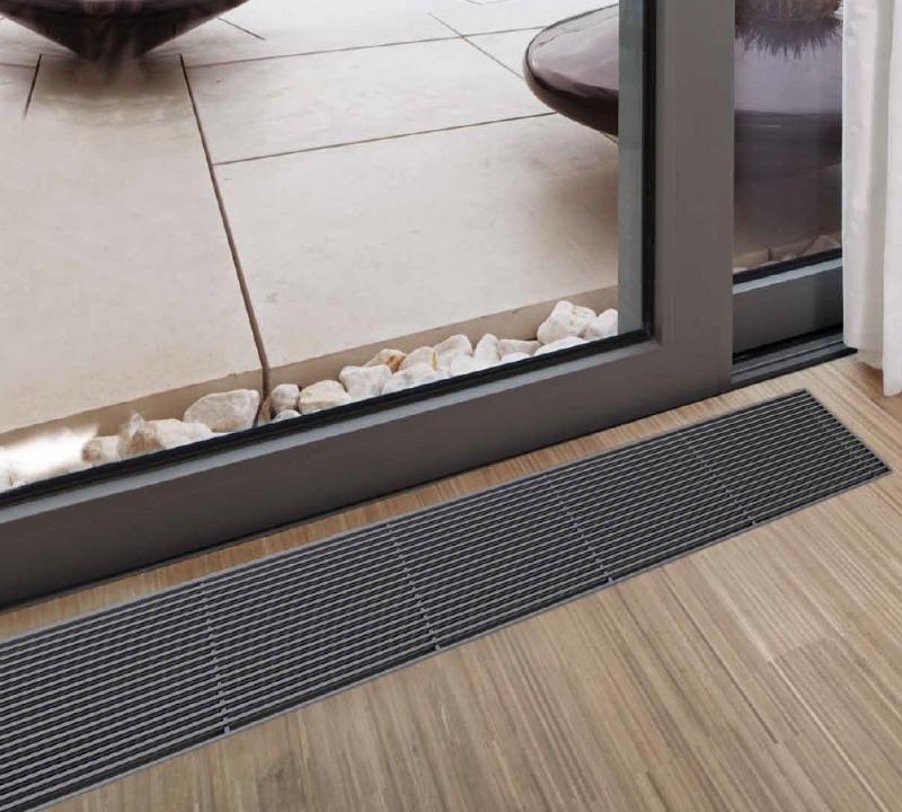
Hydronic heating fits perfectly with design-focused living thanks to elegant options like:
Tips to Maximise Hydronic Heating Efficiency
A hydronic heating system is already one of the most energy-efficient ways to heat an Australian home. But there are a couple of simple ways to optimise the efficiency further.
Use Zones Effectively
One of the biggest benefits of hydronic heating is the ability to set up zones within your home. This means you only heat the rooms you’re using, which can significantly reduce energy usage and improve efficiency. Bedrooms, living spaces, bathrooms, and studies can all be controlled independently.
Consider a Partage Box
Partage boxes are great for homes with multi-zone systems. They help to distribute water efficiently and enhance temperature control.
Choose Smart Thermostats
Pair your hydronic system with one of our selected thermostats to maintain precise temperatures, enable scheduling and avoid unnecessary heating.
Regular Maintenance
It’s a good idea to have your boilers and heat pumps serviced regularly to ensure they’re operating at peak efficiency. Clean radiators, balanced circuits and well-maintained pumps all contribute to lower running costs.
Combine with Energy-Efficient Heat Sources
Heat pumps and condensing boilers deliver outstanding efficiency. When paired with low-temperature hydronic emitters such as underfloor heating or high-efficiency radiators, these heat sources can operate at their optimal range, maximising energy savings and further reducing running costs.
Time for You to Make the Move to Hydronic Heating?
Is hydronic heating energy efficient? The answer is clearly yes. By using water as the primary heat transfer medium, hydronic heating delivers exceptional comfort, lower running costs and reduced environmental impact. This makes it a smart long-term investment for homes all over Australia.
Whether you’re renovating, building a new home, or upgrading an existing system, we offer bespoke hydronic heating systems designed for performance, efficiency and comfort. Contact the experienced sales team at Hunt Heating to discover the perfect hydronic heating system for your home or space.