
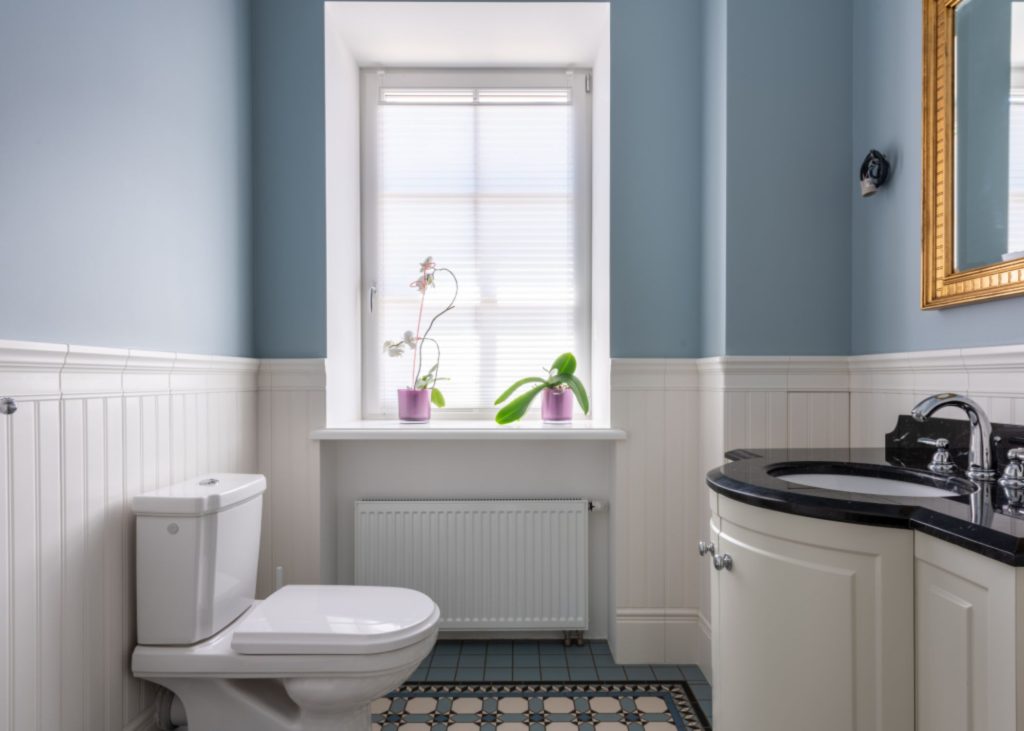
Choosing the right heating system is one of the most important decisions homeowners make when designing or upgrading their space.
With rising energy costs, evolving design preferences, and increasing interest in energy-efficient solutions, many people find themselves comparing radiators vs underfloor heating to figure out which system best fits their home.
At Hunt Heating, we offer both solutions, along with expert advice, to help Australians create warm, comfortable homes with the right blend of efficiency, style, and practicality.
Whether you’re retrofitting an existing house or building something brand new, understanding the different heating systems can help you make an informed choice.
What Are Radiators?
Radiators are a tried-and-true form of home heating that work by transferring heat from hot water circulating through a steel panel into the surrounding air. They’re part of a hydronic heating system, typically powered by a boiler or heat pump. Once heated, water flows through pipes and into each radiator, providing gentle and consistent warmth throughout the room.
With so many styles and configurations available, selecting the right radiator for your home can make a real difference in both aesthetics and performance.
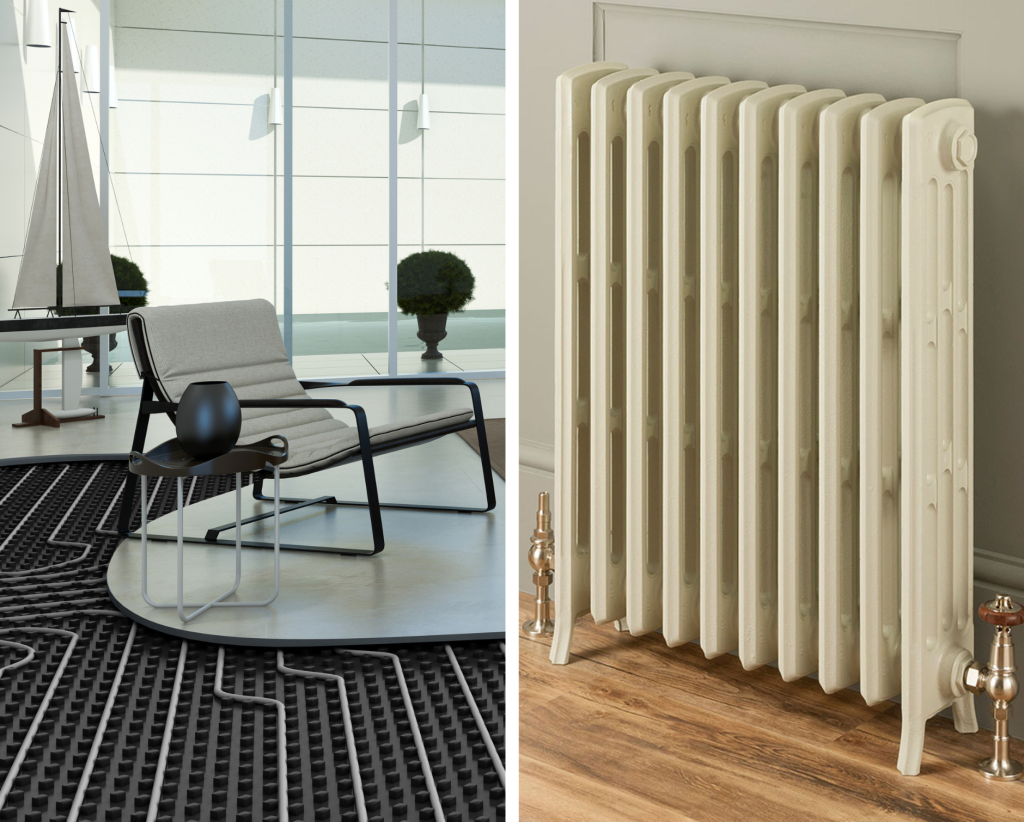
Modern radiator options include sleek panel radiators, traditional column radiators, and multifunctional towel rail radiators. Panel radiators are often a popular choice for minimalist spaces, while column styles add a heritage or industrial feel. Towel rails not only heat your bathroom, but also dry and warm your towels for added comfort.

What Is Underfloor Heating?
Hydronic underfloor heating, has become a favourite in modern homes for its luxurious feel and discreet design. Instead of heating the air through radiators, this system circulates warm water through pipes embedded in the floor.
The heat then rises evenly throughout the space, eliminating cold spots and creating a consistent temperature across the entire room. It works particularly well with certain floor coverings, including hard flooring materials such as tiles, polished concrete, and engineered timber.
It’s also worth noting that underfloor heating is not just for warmth, as it can also provide cooling in summer when paired with the right system.
Radiators vs Underfloor Heating
So, how do underfloor vs radiator heating systems compare?
Heat Distribution and Comfort
In terms of heat distribution, underfloor heating offers a more uniform warmth throughout the room, while radiators tend to heat the space from one side of the room where the radiator is mounted. This typically isn’t an issue in smaller rooms, but can make underfloor systems particularly effective in open-plan living areas, where balanced heating across the entire space is important.
Style and Aesthetics
When it comes to aesthetics, underfloor heating is completely hidden from view, offering a clean and uncluttered look. That being said, radiators can offer the benefits of radiant heating, whilst serving as stylish design pieces when you’re choosing between our range of designer radiators.
Installation Considerations
Installation is another key consideration. Retrofitting underfloor heating into an existing home can be complex and disruptive, as it typically requires lifting floors or considering varying floor heights across your home. Radiators, on the other hand, are oftent easier and quicker to install, especially when upgrading a current hydronic system.
Cost and Energy Use
Cost is a factor for both upfront installation and ongoing energy usage. Underfloor heating usually comes with a higher initial investment, but its energy efficiency, especially when powered by a heat pump, can lead to significant savings in the long run. Radiators can be more affordable to install and provide excellent heat output in smaller rooms, offering great value for money.
Maintenance and Upkeep
Maintenance is minimal for both systems, especially when professionally installed and supported by regular servicing. Radiators are easy to access and bleed if needed, while underfloor systems are typically low-maintenance thanks to their enclosed design.
Best Fit by Property Type
Finally, property type can play a big role in the decision. Underfloor heating is ideal for new builds or large-scale renovations where installation can be planned from the outset. Radiators are better suited to for either, but can definitely be easier to install in existing homes or smaller upgrades where structural changes are limited.
Which Heating Solution Is Best for Your Home?
The right choice between radiators vs underfloor heating depends on your layout, budget, and style preferences. Where possible, we find most homeowners opt for a combination of underfloor heating in open areas like living rooms and kitchens, and radiators in bedrooms or smaller spaces where quick, zoned warmth is more practical.
Bathrooms often feature both: underfloor systems for that luxurious warmth underfoot, and heated towel rails for added comfort.
Ultimately, the most effective setup balances comfort, efficiency, and design. If you’re unsure which approach suits your home best, contact Hunt Heating or visit our showroom to explore your options and find the perfect fit.