

Heated towel rails have quickly moved from being considered a luxury to becoming a much-loved feature in modern Australian bathrooms. Providing warm, dry towels and adding an extra layer of comfort, they also help to reduce moisture in the air, which can prevent mould and mildew.
Today, homeowners typically choose between two main types of systems: electric towel rails and hydronic towel rails. While both serve the same purpose, they operate differently and offer unique benefits depending on your home setup and priorities.
Understanding the differences between these options is key to finding the right fit for your space.
If you’re new to the idea of installing a towel rail, it’s worth reading the following overview of heated towel rails to get a better understanding of how these systems work.
How Electric and Hydronic Towel Rails Work
Electric towel rails are powered directly by your home’s electricity supply. They usually plug into a wall outlet or are hardwired into the bathroom’s electrical system.
Hydronic towel rails, on the other hand, are integrated into a central hydronic heating system. They operate by circulating warm water through pipes within the rail, gently heating the structure and, by extension, your towels and the surrounding air.
Installation Considerations
When it comes to installation, electric towel rails are generally considered easier to fit, particularly in existing homes where retrofitting a hydronic system could require more extensive work. Electric models can often be installed with minimal disruption, making them appealing for quick upgrades or smaller renovation projects.
However, while electric rails offer simplicity, hydronic towel rails deliver more extensive benefits in the long term. Homes that already have hydronic heating systems in place will find that adding a hydronic towel rail is a seamless and highly efficient addition.
Even when a bit more installation work is required, the ongoing advantages in comfort, running costs, and energy savings often make it a worthwhile investment.
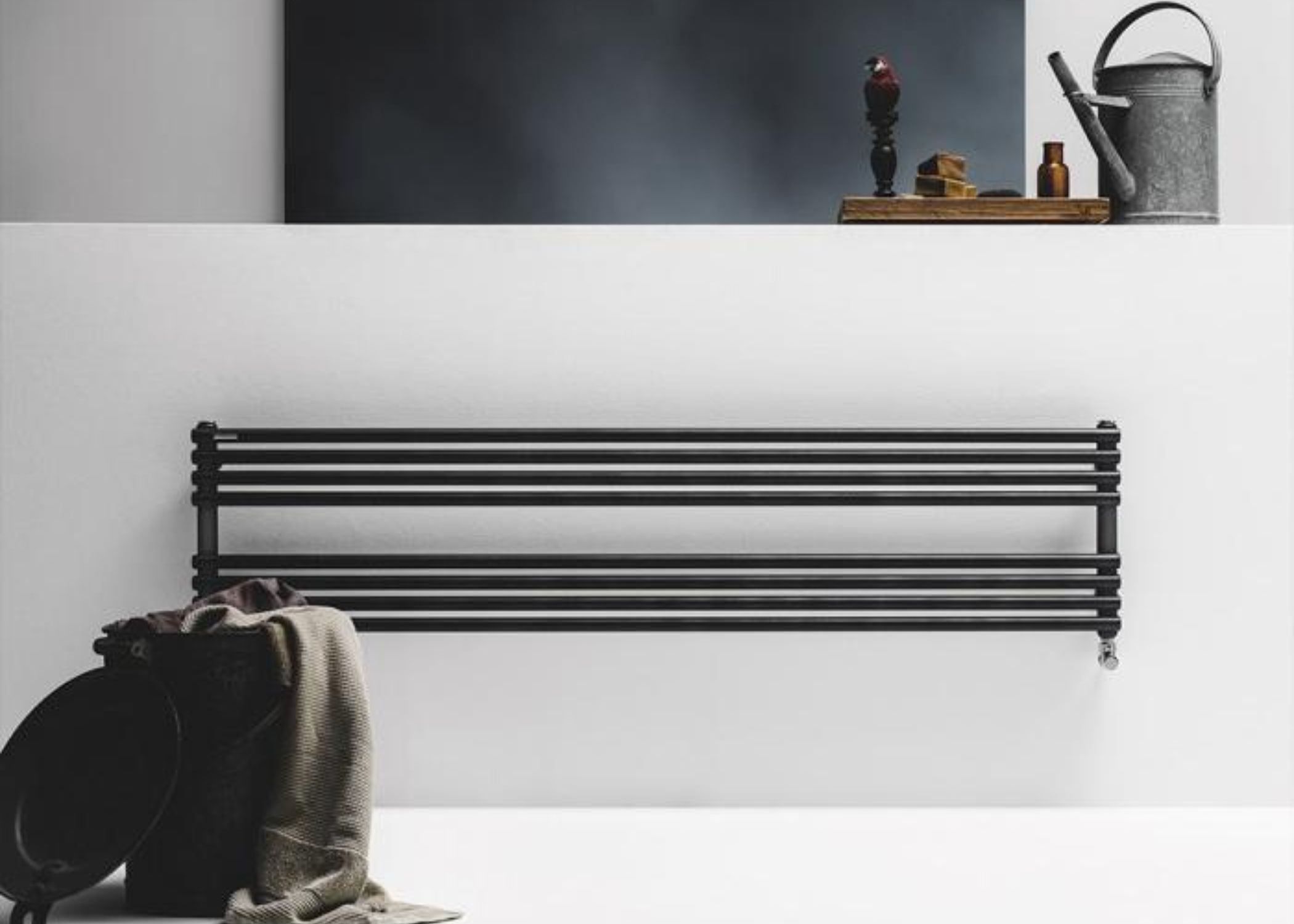
Cost Comparison: Electric vs Hydronic Heated Towel Rails
Cost is always an important consideration when comparing electric vs hydronic heated towel rails. Upfront, electric towel rails tend to be cheaper to purchase and install because they require little more than an electrical connection. However, over time, the running costs associated with electric rails can add up significantly. Electric models can be less energy-efficient, especially if they are left running for long periods.
Hydronic towel rails, although they may come with a higher initial price tag, generally offer much lower ongoing costs when connected to an existing hydronic system. They draw on the efficiency of the broader heating system, meaning they can warm your bathroom and towels without the hefty electricity bills that an electric rail might bring over time.
Energy Efficiency and Environmental Impact
Energy efficiency is another critical factor where hydronic towel rails shine. Because they use heated water rather than direct electricity, hydronic towel warmers consume less energy to maintain a consistent temperature.
When linked to a well-designed hydronic heating system, they contribute to a home’s overall thermal efficiency, helping to lower environmental impact and household energy use. In contrast, electric towel rails tend to use more energy relative to the heat they produce, particularly in households where multiple rails are installed.
If you’re aiming to create a more sustainable home, hydronic options are often the clear winner.
Choosing the Best Option for Your Bathroom
Selecting the right towel rail depends heavily on your existing setup and space considerations. For smaller bathrooms or spaces without hydronic heating, electric towel rails offer an easier solution. They can be independently controlled, allowing you to switch them on only when needed.
In contrast, homes that already have central hydronic heating installed — or are considering installing one — will benefit most from hydronic towel rails, both in terms of cost-effectiveness and performance.
Larger bathrooms or luxury renovations often lean towards hydronic systems, not just for efficiency but for the enhanced overall heating effect they bring to the room.

Final Thoughts on Towel Rail Comparison
Ultimately, when weighing up electric vs hydronic heated towel rails, the right choice will depend on your home’s heating system, your renovation plans, your energy efficiency goals, and your budget.
Electric towel rails offer flexibility and a simple installation process, making them ideal for straightforward upgrades. Hydronic towel rails, however, provide superior energy savings, enhanced environmental benefits, and better integration into a complete home heating solution.
If you already have or are planning to install hydronic heating, adding a hydronic towel rail is a smart way to maximise comfort and efficiency in your home.
For more information about the best electric vs hydronic heated towel rails, contact the team at Hunt Heating for advice on what might suit your space best.
And if you’re wondering about the broader cost of installing a hydronic heating system, you can find a detailed breakdown in our guide How Much Does It Cost to Install Hydronic Heating?